Exhibitions
Exhibitions should enthral, enlighten, and exhilarate museum visitors, delivering imaginative experiences that engage and entertain.

Exhibition Development
MuseLab follows an exhibition design process that incorporates human-centred design principles to create engaging and innovative experiences for visitors while showcasing the museum's mission and resources. The process typically consists of the following stages:

Vision Planning
The MuseLab team collaborates with museum stakeholders, curators, and subject matter experts to establish a clear vision for the exhibition. They define the goals, objectives, and key messages that the exhibition should convey. This stage involves conducting research on the museum's target audience, understanding their needs, and identifying the desired outcomes of the exhibition.

Story Creation
Once the vision is established, the MuseLab team moves on to developing the exhibition's narrative or story. They tap into the imagination and creativity of the museum staff to develop the central theme and key stories that make the exhibition evoke a positive emotional response from visitors. The story development stage provides insight into the ideal medium that best forms a connection with visitors.

Design Development
During the design development stage, the MuseLab team translates the exhibition's vision and story into a tangible design concept. They consider various factors such as spatial layout, aesthetics, interactive elements, audiovisual components, and technology integration. This stage involves creating sketches, renderings, and detailed design plans that bring the exhibition concept to life. The design development phase also includes identifying any specific requirements for fabrication, installation, and maintenance of the exhibition elements.
Prototyping, Production, & Launch
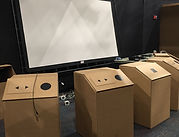
Once the design concept is finalized, the MuseLab team oversees the prototyping of interactive exhibits, multimedia installations, or any other interactive components to test their functionality and visitor experience. After the prototyping phase, the production stage involves fabricating and building the exhibition components, including physical structures, multimedia content, graphic displays, and interactive interfaces. Finally, the exhibition is launched and opened to the public, with the MuseLab team ensuring that all elements are properly installed, tested, and functioning as intended.
Exhibition
Types
Members of the MuseLab team are experienced with a wide range of exhibition projects featured in art galleries, science centres, natural history museums, and other cultural institutions. Here are a few possibilities that could engage your visitors:

Discovery

Hands-On

Art

Makerspace

Natural History

Artefact

Pop-Up

Technology
